The checklist that reached the bench
Endoscope reprocessing fails in small, quiet steps. A self-assessment checklist built with experts helped three wards find them.

Draft for Małgorzata’s review before publication · based on published research
A flexible endoscope goes through cleaning, disinfection, drying, storage and tracking before it reaches the next patient. Each step is written down. Each step can drift. In large endoscopy services the routine is strong. On wards that only use endoscopes now and then, like an intensive care unit, it is easier for small gaps to open.
Building the tool
We developed a self-assessment checklist through a modified three-round Delphi process with expert input. It covers five areas of reprocessing. We applied it on three wards, made corrective actions, and applied it again. Microbiological surveillance of endoscopes and washer-disinfectors ran alongside.
What it found
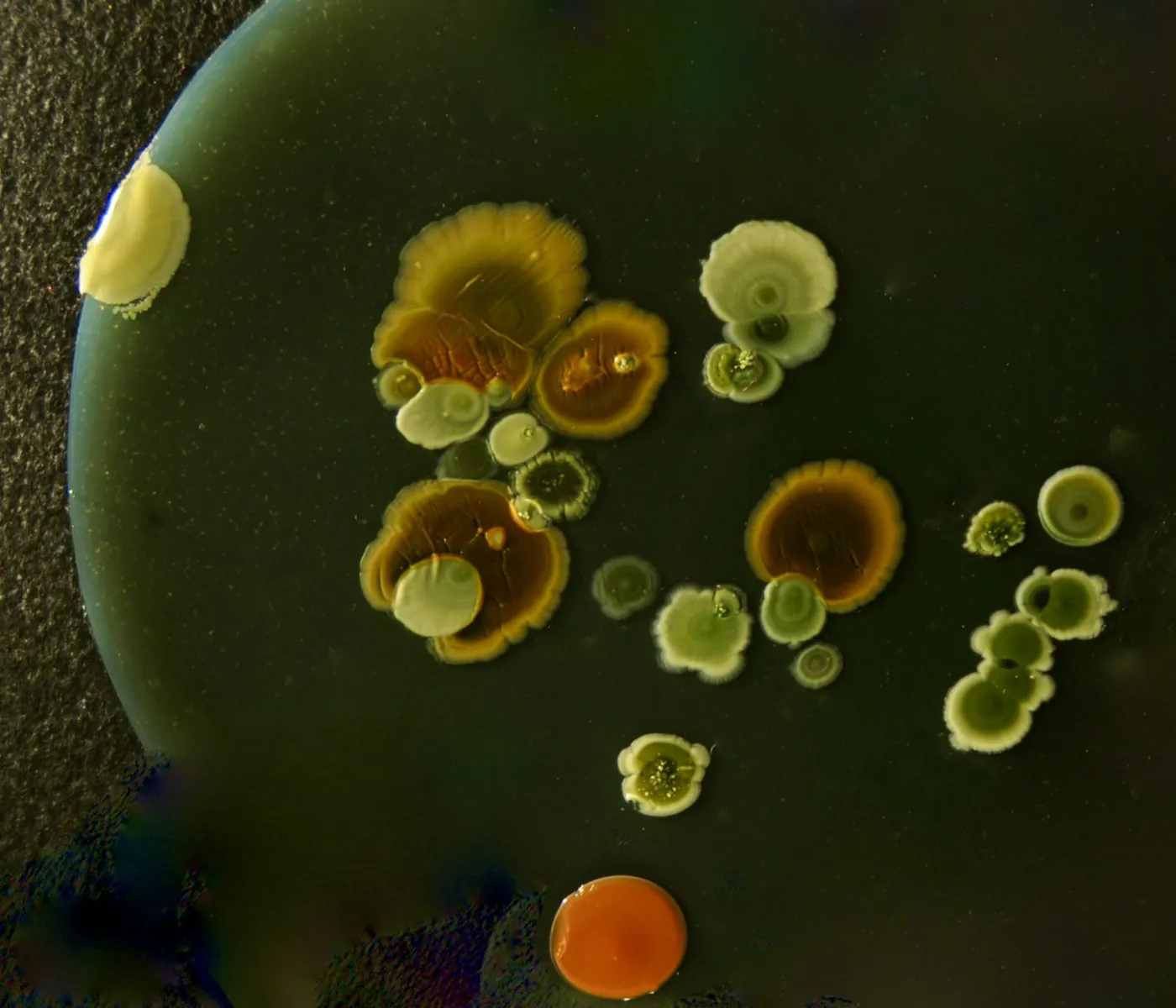
In the first round, only one of the three wards scored excellent on every item. After the first application, microbiological results were unsatisfactory for two ICU bronchoscopes and two automated endoscope reprocessors. After corrective action, the other wards improved in traceability and reprocessing, and the second round of microbiology came back good.
What the checklist found
Microbiology on the devices
Unsatisfactory after round 1 Good after round 2
The checklist did not add new rules. It showed teams where they had stopped following the old ones.
Why self-assessment works
- It is owned by the team, so the findings are not a verdict from outside.
- It is repeatable, so improvement is visible.
- Paired with microbiology, it links behaviour to real contamination.
Used periodically, a checklist like this becomes part of good practice rather than an audit people prepare for.
Want this to work in your hospital?
I run workshops and talks that turn findings like these into routines that last.