L’IA non vi laverà le mani
La sorveglianza digitale e l’IA possono rendere la prevenzione delle infezioni più rapida e precisa. Non possono farla accadere. Ecco cosa deve essere vero prima.
Roma · Prevenzione delle infezioni, digitale e IA
Sono Małgorzata Wachocka. Da diciassette anni lavoro dentro uno dei più grandi policlinici universitari italiani, trasformando le regole di prevenzione delle infezioni in pratica quotidiana. Oggi aiuto gli ospedali a prepararsi, e a costruire, gli strumenti digitali e di IA che la sosterranno.

Dove l’IA incontra il reparto
La sorveglianza digitale e l’IA possono rendere la prevenzione delle infezioni più rapida e precisa. Funzionano solo quando i livelli sottostanti sono solidi. Lavoro su tutti e quattro, così gli strumenti arrivano in reparti pronti ad accoglierli.
IA e supporto alle decisioni
Allerta precoce, previsione del rischio, audit e monitoraggio automatizzati. Utili solo quando i livelli sottostanti sono solidi.
Sistemi digitali
Piattaforme di sorveglianza, cruscotti e tracciabilità che trasformano risultati sparsi in un unico quadro.
Dati
Campionamenti, audit, microbiologia e checklist. Se questo livello è debole, ogni strumento sopra sta tirando a indovinare.
Pratica di reparto
Acqua, aria, superfici, dispositivi e mani. Dove l’infezione si previene, oppure no.
Competenze
I pazienti incontrano acqua, aria, superfici, dispositivi e mani tutti insieme. La maggior parte degli ospedali li gestisce a compartimenti stagni, con i dati in cinque posti diversi. Io li guardo insieme.
Legionella e sicurezza dell’acqua
Il rischio Legionella vive in tubature, rubinetti e docce molto prima di comparire in un paziente. Aiuto i team a costruire una sorveglianza che lo trovi presto e trasformi i risultati dei campionamenti in decisioni.
Digitalecampionamenti pianificati sul rischio, screening rapido in PCR e un unico cruscotto per ogni punto di erogazione.
Ambienti controllati e cantieri
Sale operatorie, ambienti a contaminazione controllata e reparti in ristrutturazione. Ho monitorato particolato e spore fungine in cantieri ospedalieri attivi senza interrompere l’assistenza.
Digitaleconteggio continuo delle particelle e soglie di allerta durante i lavori.
Audit ambientale
Audit che verificano ciò che viene davvero pulito, non ciò che dice il calendario. Campionamenti, feedback e una breve lista di azioni che il reparto può fare proprie.
Digitaledati di audit raccolti in reparto, letti nel tempo e restituiti in giorni, non in mesi.
Percorsi di ricondizionamento
Endoscopi e dispositivi riutilizzabili passano per molte mani. Costruisco checklist di autovalutazione che chiudono la distanza tra la procedura scritta e il banco di lavoro.
Digitaletracciabilità dal paziente all’endoscopio fino al ciclo della lavaendoscopi.
Igiene delle mani e guanti
Tutti conoscono i cinque momenti. Meno persone li rispettano in ogni turno. Il mio lavoro guarda a ciò che cambia davvero i comportamenti: formazione, feedback e un uso più consapevole dei guanti.
Digitalemonitoraggio e feedback che sostengono le persone, invece di controllarle.
Lavoriamo insieme
Quattro modi per portare al vostro team diciassette anni di pratica ospedaliera e una visione chiara di ciò che gli strumenti digitali possono fare.
Io porto la conoscenza dell’ospedale. Un team di ingegneri del software e di sistemi ad agenti costruisce gli strumenti: monitoraggio, copiloti IA e agenti per la reportistica che si adattano a come lavorano davvero i reparti.
Scopri il Lab →Approfondimenti
La sorveglianza digitale e l’IA possono rendere la prevenzione delle infezioni più rapida e precisa. Non possono farla accadere. Ecco cosa deve essere vero prima.

Cinque anni di sorveglianza ambientale proattiva ci hanno insegnato che il miglior risultato sulla Legionella è quello che arriva prima che qualcuno si ammali.
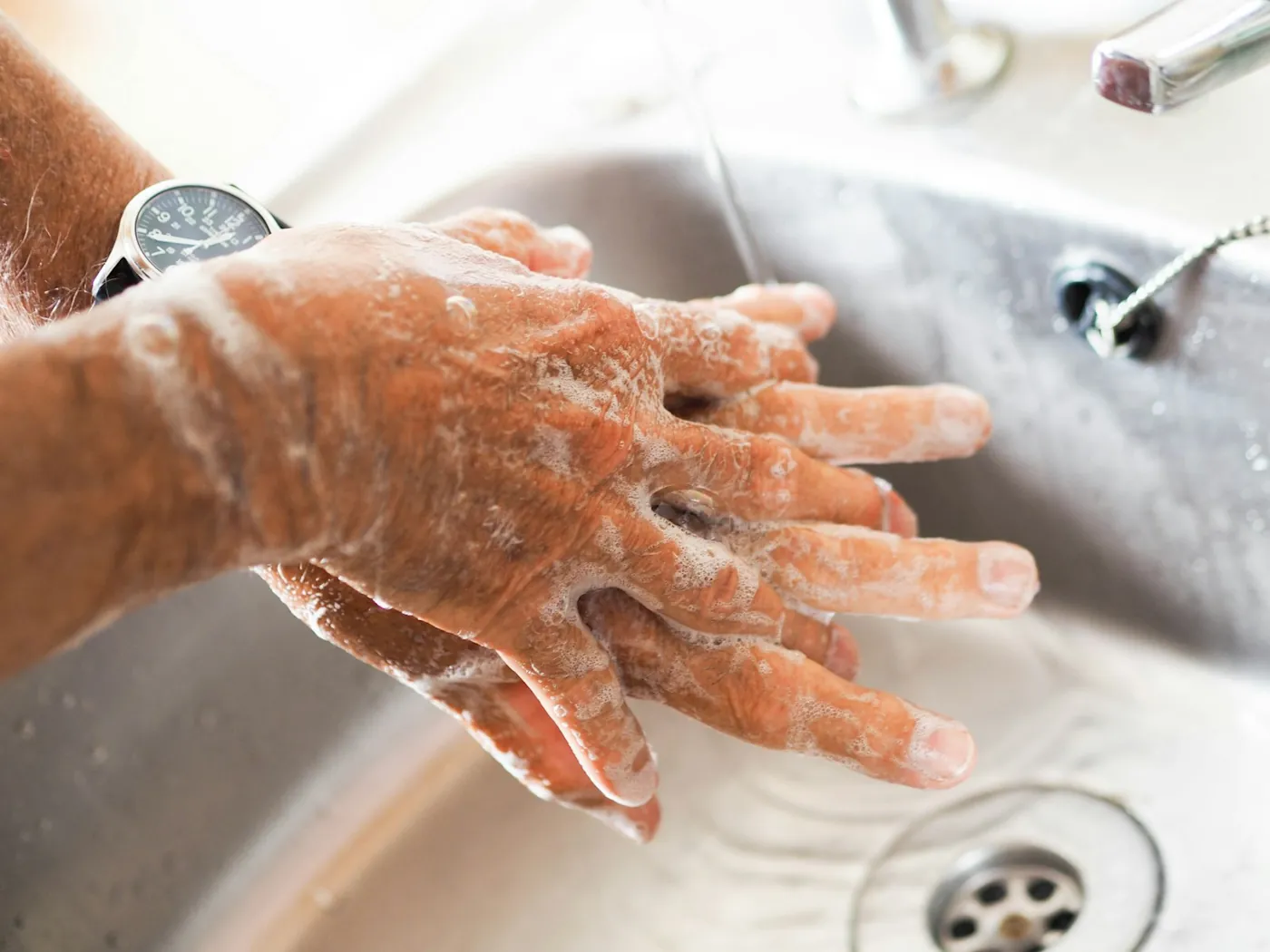
Abbiamo chiesto a 542 colleghi cosa sanno dell’igiene delle mani. Le risposte mostrano dove la formazione funziona e dove fallisce in silenzio.
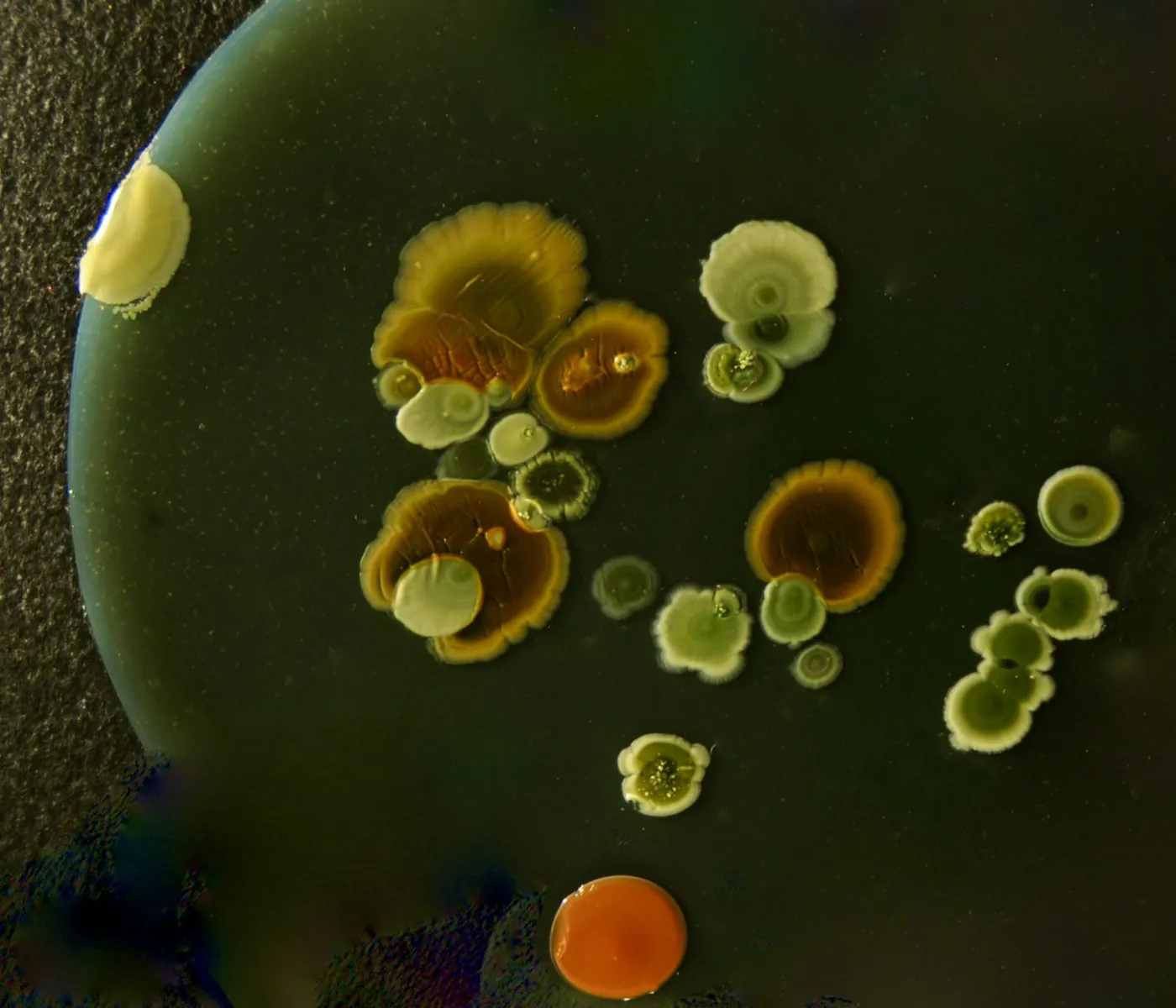
Il ricondizionamento degli endoscopi fallisce in piccoli passaggi silenziosi. Una checklist di autovalutazione costruita con gli esperti ha aiutato tre reparti a trovarli.

Chi sono
Lavoro in igiene ospedaliera e controllo delle infezioni in un grande policlinico universitario di Roma, insegno ai futuri professionisti della prevenzione all’Università Cattolica e pubblico su ciò che fa funzionare la prevenzione nei reparti reali.
Insegnamento nel corso di laurea delle professioni sanitarie della prevenzione, Facoltà di Medicina e Chirurgia, Roma. Insegno ancora oggi.
Tecnico della prevenzione nel team di igiene ospedaliera della Fondazione Policlinico Universitario A. Gemelli IRCCS: sorveglianza delle ICA, audit ambientale, Legionella e sicurezza dell’acqua, aria indoor, rischio da cantiere.
Ha guidato tirocini e formazione pratica del corso di laurea in Tecniche della prevenzione nell’ambiente e nei luoghi di lavoro, fino al 2023.
Coautrice del modello di sorveglianza ambientale proattiva e della checklist per il ricondizionamento degli endoscopi.
Coordinatrice didattica del Master di I livello in Sicurezza e Gestione del Rischio per la Sanità Pubblica dell’Università Cattolica.
Accanto ai miei ruoli in ospedale e all’università, porto diciassette anni di pratica alle organizzazioni che vogliono una prevenzione che funzioni in reparto, non solo sulla carta.